Aviación y aeroespacial
La aviación, una de las industrias más consolidadas de la ciudad, tiene profundas raíces en el condado de Miami-Dade.
#1
Volumen de carga aérea internacional
#2
Leading U.S. airport for international passengers
1,800+
Empresas de aviación
88,500+
Empleo local
$242B
Impacto económico regional
Introducción
Líder mundial en aviación y aeroespacial
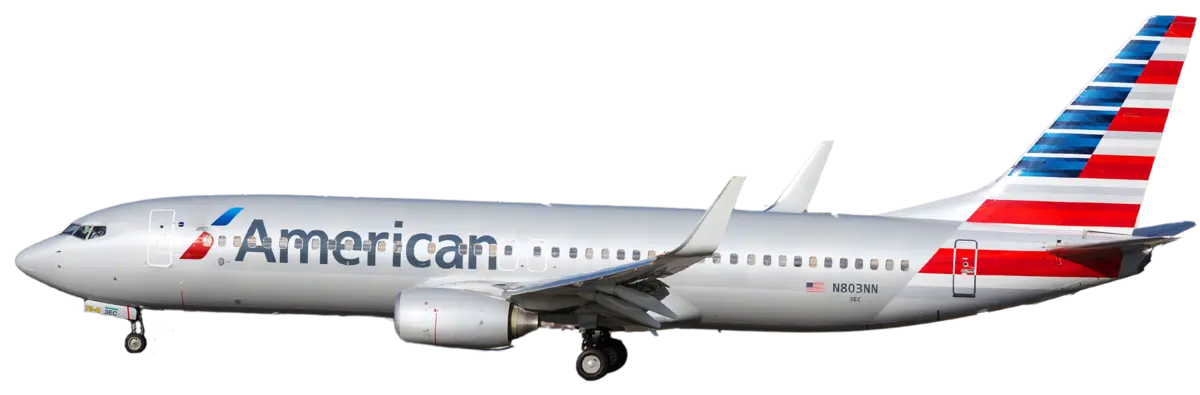
Miami-Dade County boasts a rich aviation history dating back to 1911, when the Wright Brothers first performed aerial stunts in the area. Today, Miami International Airport (MIA) is one of the world’s leading aviation hubs, serving as a gateway for passengers and freight across the Americas. With 96 air carriers serving approximately 150 destinations, MIA offers more flights to Latin America and the Caribbean than any other U.S. airport.
The region is also a critical player in international trade, ranking as the busiest airport in the U.S. for international freight and the 6th largest globally. MIA handles 82% of all air imports and 76% of exports to and from the Latin American and Caribbean region, highlighting its crucial role for the continent as a whole. The airport’s activities generate an annual economic impact of $252 billion.
MIA’s recent multi-billion-dollar modernization program supports long-term expansion, with infrastructure upgrades designed to accommodate 77 million travelers and 4 million tons of freight by 2040. The airport’s leadership in handling high-value cargo, including pharmaceuticals, has earned it a “Pharma Hub Airport” designation from the International Air Transport Association (IATA), further solidifying its status as a major global aviation and logistics hub.
Where Global Commerce Takes Flight
The aviation industry in Miami-Dade County supports 88,602 jobs, with average annual salaries of around $55,000. As a city wired for global trade, finance, and innovation, Miami continues to leverage its aviation sector as a critical engine of connectivity and growth, linking businesses, talent, and capital. MIA, along with smaller regional airfields, drives substantial economic growth, generating $252 billion in annual economic impact.
Innovación y tecnología aeronáuticas
Miami’s aviation sector is at the forefront of adopting cutting-edge technology, from AI-driven logistics to advanced aircraft maintenance. The city’s robust Maintenance, Repair, and Overhaul (MRO) services benefit from emerging innovative projects like electric vertical takeoff and landing (eVTOL) aircraft. Miami-Dade’s more than 1,800 aviation businesses produce an annual economic return of $252 billion. This continues to place Miami at the vanguard of aviation sustainability.
Conectividad internacional y liderazgo en el transporte de mercancías
Miami International Airport (MIA) ranks as the busiest U.S. airport for international freight and among the top 5 globally, and serves 90 airlines connecting approximately 150 destinations. MIA leads in national imports of fruit and vegetables (65% market share), flowers (91%), and seafood (55%). The airport handles 82% of all air imports and 76% of exports from Latin America and the Caribbean, further cementing its dominance in international freight.

Conecte con nuestro experto del sector
Director de Desarrollo Económico Internacional
Madeline Mesa, Directora de Desarrollo Económico Internacional de Miami-Dade Beacon Council sirviendo en este rol desde octubre de 2019. Responsable de promover Miami como un destino de negocios global centrado en aumentar los empleos de calidad y las inversiones basadas en el crecimiento empresarial, la retención y los esfuerzos de expansión.
Organizaciones principales
Miami alberga una gran variedad de empresas líderes en el sector de la aviación que prestan servicio a aerolíneas de todo el mundo.
























Consejo de Aviación y Aeroespacial
El Consejo Consultivo Aeroespacial y de Aviación está concebido como una reunión privada de expertos locales que asesoran y apoyan al personal del Beacon Council en la puesta en marcha de iniciativas de desarrollo económico de gran impacto.
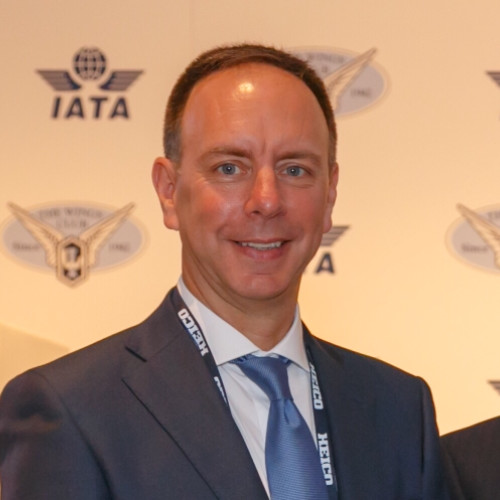
Peter Cerdá
Vicepresidente Regional de la Asociación de Transporte Aéreo Internacional (IATA)
Presidente del Consejo de la Industria Aeronáutica y Aeroespacial
¿Quieres participar?
Invierta en The Beacon Council.
Título
El Consejo Asesor de Aviación se ha concebido como una reunión privada de expertos locales que asesoran y apoyan al personal del Beacon Council en la puesta en marcha de iniciativas de desarrollo económico de gran impacto.